
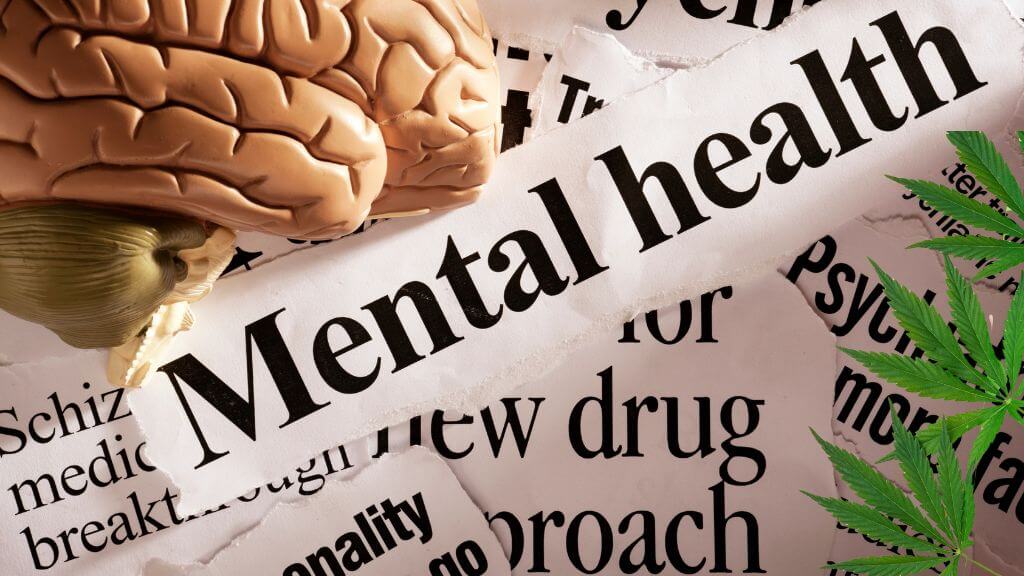
As the Green Party rehashes their campaign for legalising cannabis and decriminalising drugs, they continue to ignore the Science on the significant harms of cannabis use. A new study published in the Addictive Behaviors Journal offers one of the most comprehensive analyses to date, examining how cannabis use affects youth aged 15 to 30, and the findings are disturbing and unfortunately unsurprising.
This systematic review and meta-analysis, a pinnacle of evidence-based research, analysed data from 36 studies, with 18 studies ultimately included in the final analysis, encompassing over 500,000 young people. The robustness, reduction of biases through structured methodology, and critical appraisal of systematic reviews and meta-analyses make it difficult to fault the findings from this type of research, apart from the self-identified limitations noted by the authors.
The researchers focused on four crucial mental health outcomes (depression, anxiety, suicide ideation and suicidal attempts) in relation to cannabis use, and the findings are sobering and staggering. They confirm what Family First has been warning about: the increasing harms from cannabis. The findings highlighted that regardless of age, gender and even other associated drug use, individuals who use cannabis face a:
- 28% higher risk of depression
- 58% higher risk of anxiety
- 64% higher risk of suicidal ideation
- 80% higher risk of suicide attempts
The authors underscore a concerning trend: more studies are revealing that cannabis use in adolescent years is linked to subsequent depression in adult years. As frequency and dosage of cannabis use increase, so does the prevalence of depression. This pattern seems to hold true for all mental health outcomes assessed in the study – that increased cannabis use often correlates with a higher prevalence of mental health-related outcomes.
Whilst the study didn’t have a gender-specific focus in its analysis (due to most studies being mixed-gender studies), some evidence suggests that young women may be more vulnerable, especially to mood and anxiety disorders. Women with suicidal thoughts were also more likely to use cannabis as a form of self-medication, which often worsened their condition.
The findings further revealed that cannabis use beginning as early as age 15 is linked to long-term mental health impacts. THC—the psychoactive component of cannabis—interferes with brain signaling, emotional regulation, and cognitive function. Adolescents and young adults, who are in a critical stage of brain development, are particularly at risk, yet often overlooked in cannabis research.
As cannabis becomes more accessible and socially accepted, especially among young people, researchers are raising red flags about its devastating impact on the mental health of younger and future generations. The evidence is mounting and clear – cannabis use is not harmless. Legalisation and normalisation of cannabis use will only exacerbate the mental risks and impacts on our young people.
We must continue to resist efforts to legalise and decriminalise this drug, which carries long-term consequences not only for young people but for society as a whole.
**Written by Family First staff writers**
Link to study: https://www.sciencedirect.com/science/article/pii/S0306460325002977?via%3Dihub#s0095