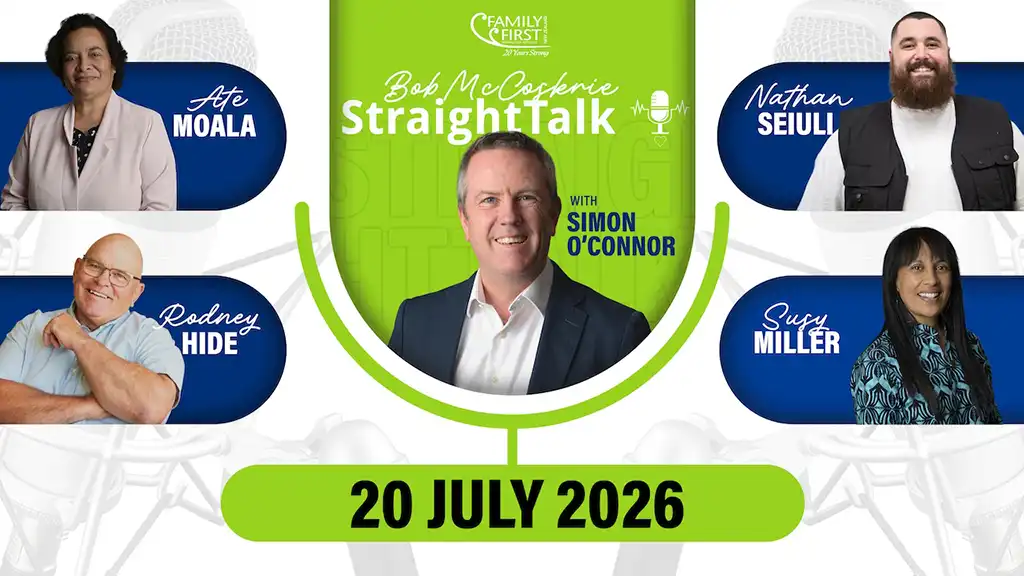
In this episode of StraightTalk, we discuss – Could Winston do a 2017 and go with Labour, surely not; Is Luxon toast or is this leadership issue just the media making stuff up; we’ll discuss the puberty blocker ban and also the appalling media coverage; Kiwis seem both split and confused on one of Labour’s key tax policies – capital gains tax. We’ll ask our intelligent panel to clear up all the confusion for us; and according to an ERO report just released, the school phone ban is working, so could a social media ban also work?
Show summary auto-generated by Descript app:
- **Winston Peters and Coalition Speculation**: The discussion kicks off with speculation on whether Winston Peters could potentially join the Labour Party, akin to his 2017 decision. The panel analyzes whether Christopher Luxon’s leadership is under threat or if it’s just media speculation. They also delve into Winston Peters potentially teaming up with Labour again, debating the implications for New Zealand’s political landscape.
- **Puberty Blocker Ban and Media Coverage**: The panel reacts to the recent ban on puberty blockers. They criticize the media for biased coverage, highlighting how different outlets have responded. A key point of debate is the ethical concerns raised by health professionals who support puberty blockers versus the arguments against them. The impact on children and the role of parental consent are major themes.
- **Capital Gains Tax (CGT)**: The panelists discuss Labour’s key tax policy on capital gains tax, including public opinion on whether all gains should be taxed or only those adjusted for inflation. They also examine the political strategy behind Labour’s policy and its potential impact on the upcoming elections, particularly focusing on Auckland’s voting behaviour.
- **School Phone Ban and Social Media**: With an ERO report suggesting that a school phone ban improves student performance and reduces bullying, the panel debates the merits and drawbacks of such bans. They also consider broader social media issues and the impact of potential restrictions on young people’s mental health, productivity, and overall well-being. The idea of increasing the age for social media access and potential technological solutions are discussed. The conversation also touches on the controversial topic of digital id. The panel explores whether children’s online protection can be enhanced without instituting invasive government surveillance. They debate the feasibility and ethical implications of different approaches to age verification and digital identity.