
Written by Simon O’Connor
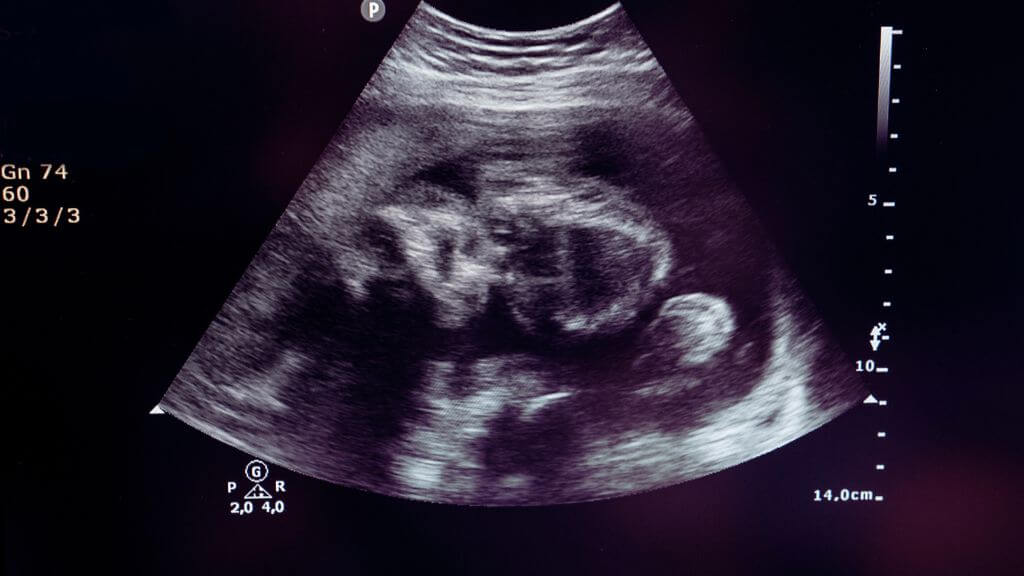
The tragedy of abortion continues to rise in New Zealand, with the latest annual report from the Ministry of Health – for the year of 2024 – showing that 17,785 unborn babies were terminated via abortion procedures. This is 1508 more babies aborted in 2024 as compared to 2023, and a 9.3% increase. In real terms, this means four more babies a day were being aborted in 2024 than the year prior, with now around 50 children a day being killed in the womb.
While the Ministry’s report reads like a celebration for equity, access, and ‘healthcare’, we at Family First are appalled by not surprised by the increase. Ever since Jacinda Ardern’s government rushed its abortion liberalisation law through parliament, just days before the Covid crisis, the number of abortions continues to rise. When we look at figures from 2020 when Ardern changed the law till now, there has been a 34% rise in the number of abortions. This is a travesty and tragedy.
As in previous years, those from lower socio-economic access abortion services at a greater rate and later during pregnancy. Questions must be asked of government as to what they are doing (or not doing) to support such women and their families, to ensure that poverty and other factors are not driving them to end the lives of their unborn babies.
Māori remain disproportionately represented as well, accessing 27% of all abortions throughout 2024. As some have noted, abortion is an offence to whakapapa and arguably a Treaty of Waitangi issue, as the Crown oversees more Māori babies being terminated from society.
The trend towards the use of abortion pills over surgical interventions continues, with more women using the telehealth service, DECIDE, to access the abortifacient pills. As Family First noted from a recent study out of the United States, the use of such abortion pills is not without substantial risk. The study noted that one in nine women experienced an adverse reaction from using the pills.
The majority of abortions are for women under 30 years of age. Sadly, 48 abortions were on children under 15 years of age, which also raises the question as to whether any charges were laid for statutory rape for the men involved. 1,801 abortions in 2024 were for girls under the age of 24.
The annual report also shows that late-term abortions, that is over 20 weeks, are increasing. There were 164 late-term abortions in 2024 compared to 102 in 2020, a marked 60% increase. All this despite the continued rhetoric from some quarters, that such abortions rarely take place. Not only are such late-term abortions happening, but at an increasing rate. Family First notes, no information is given as to exactly how old the baby was at the time of it’s termination.
There were eight failed abortions during 2024.
389 women reporting complications with their abortion, representing around 2.2% of all abortions. The report rushes to stress that most are complication free (except of course for the baby!), but remains clear that abortion is not a carefree or harmless procedure. The majority of problems were retained placenta or body parts, or an infection post-intervention.
Strikingly, the Ministry of Health has not reported on the number of repeat abortions. This raises a wider concern, that was debated in Parliament back in 2020, that the new law gave to much influence to the Ministry to decide what to report on, and what not to. As we are seeing, the Ministry is beginning to limit the scope of data collected.
As you would expect, the Ministry report reads like a propaganda tool for abortion. It celebrates the likes of quicker drive times to abortions and is obsessed with referring to women as ‘people’, reflecting the wider trans-activism capture of the Ministry. Finally, despite the report being 44 pages long, barely four paragraphs (and less than one page) was dedicated to the provisions of counselling services.
The report makes for sad and tragic reading. Not only for the thousands of unborn babies lost, but the tragedy for the women and their wider families.