Opinion piece: ‘Ala Pomelile
International Women’s Day takes place on March 8th, where workplaces light up in purple, social media is filled with empowerment slogans, and politicians line up to celebrate how far women have come. That is an adult human female. International Women’s Day has become a fixture of the cultural calendar in the West, and much of what it celebrates is genuinely worth honouring.
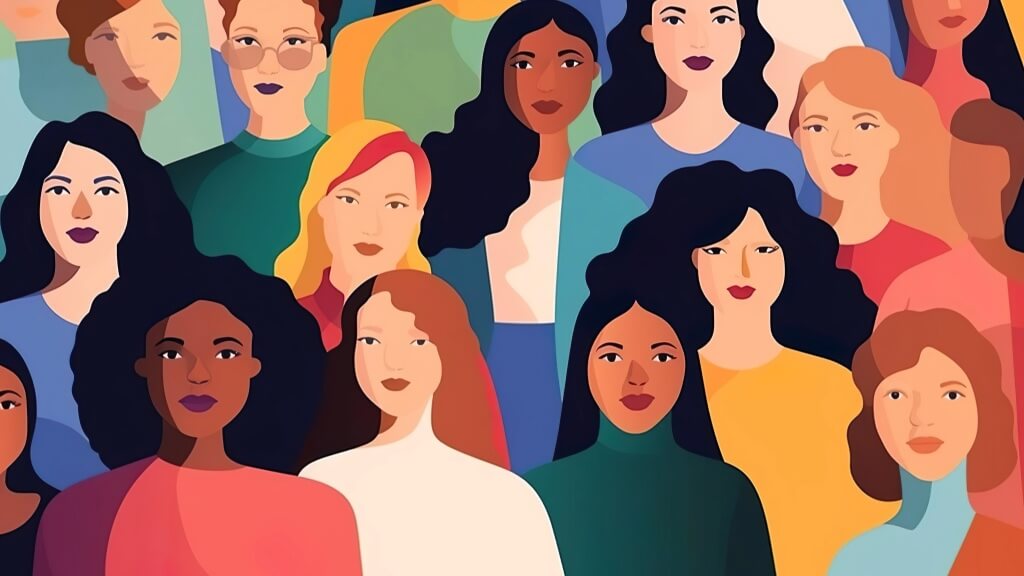
Yet, a growing divide exists between the women IWD claims to represent and women who quietly feel excluded from the conversation. For many women prioritising family, choosing to stay at home to raise children, and finding purpose through faith, family, and community, the official IWD narrative can seem more like a lecture than a celebration.
That deserves an honest conversation.
Modern IWD messaging has largely centred around a single vision of women’s flourishing (outside of the home): career progression, boardroom representation, economic independence, gender equality, and breaking glass ceilings. These are worthy goals, and the women who pursue them should be recognised.
But this framing quietly suggests that a woman who chooses to dedicate her energy to being a homemaker, raising and homeschooling children, nurturing a marriage, caring for elderly parents, or anchoring her community is somehow falling short, even being oppressed. The message, rarely spoken but often felt, is that unpaid labour in the home is not quite as valuable as paid labour in the workforce.
This is not liberation. It is merely replacing one set of expectations with another.
Research both internationally and here in New Zealand consistently finds that when women are asked what they want, the answers are far more varied than the IWD narrative suggests. Many women, given genuine economic freedom, would choose to spend more time at home with their children, at least during their early years. Many find purpose and deep meaning in homemaking, family life, caregiving, and community.
Imagine the mother who spent twenty years raising seven children — volunteering at the school, helping organise community events, and offering her support in her local church and community. Think of the grandmother who kept the family’s cultural identity alive, passing on language, faith, and values across generations. Consider the woman who left a promising career or chose a part-time role so she could make family life work for her husband and children or care for a parent with dementia.
These women are not victims of patriarchy. They are not lacking ambition either. They are making considered, courageous, and often costly choices — driven by faith, love, values, and a long-term view of what matters most. Now that isn’t to say women who choose to balance a career and family aren’t any of these things either.
What I am saying is that women who choose less celebrated and unpaid vocations, such as being a stay-at-home mum or a full-time carer, deserve to be celebrated on International Women’s Day too. Instead, they are often invisible in the official discourse, and I would argue that modern-day conversations about “female empowerment” overlook them.
I’m not opposed to women in the workforce or to women pursuing careers and leadership. That should be celebrated as well. What I want to challenge is the idea that only one kind of woman’s life is worth celebrating.
True empowerment allows a woman to choose to be a CEO and be celebrated for it. It also means a woman who chooses to be a homemaker is equally recognised and celebrated as the woman in the boardroom—without apology, condescension, or facing financial penalties from a tax system that undervalues her contribution.
If IWD aims to genuinely represent all women, it should expand its focus. It must respect and honour both the woman at home and the woman in the boardroom equally. The advocacy should include not just increasing the number of women in paid positions but also supporting policies that truly allow women the freedom to make their own choices, including the option to prioritise her family.