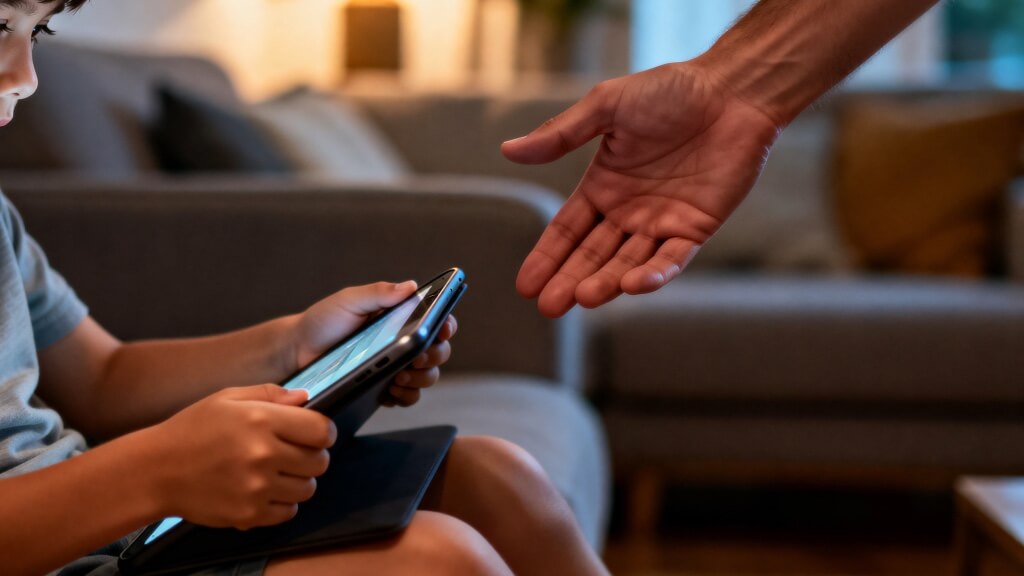
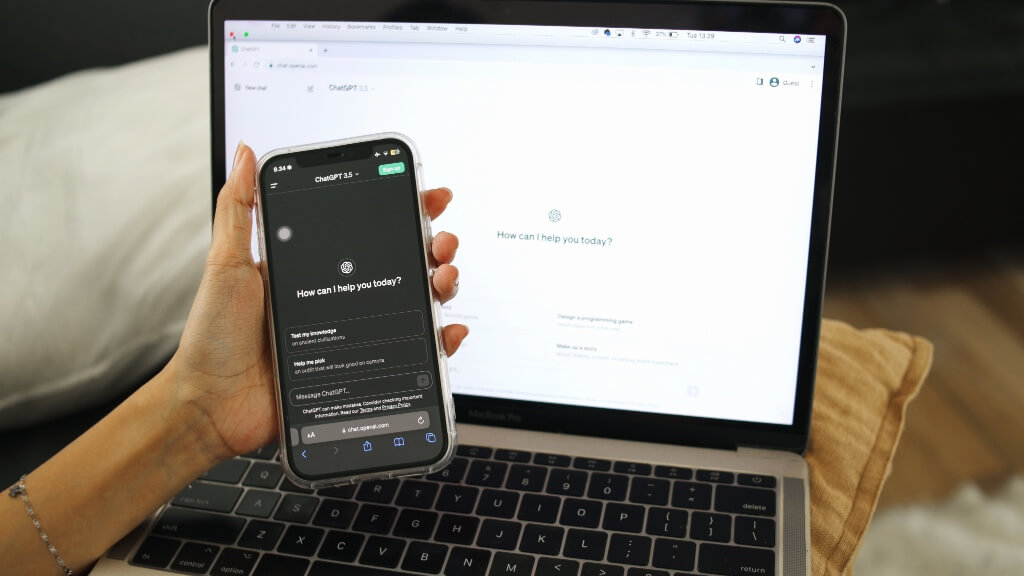
Imagine a car seat your toddler could unclip whenever they got bored of it, and you’d only find out afterwards, by text message. That’s roughly the safety model OpenAI has just built for “ChatGPT for Teens.”
OpenAI introduced its new product for 13- to 17-year-olds with enthusiasm, incorporating credible safeguards such as limits on romantic or sexual conversations, discussions about suicide, self-harm, and eating disorders, and preventing the bot from feigning feelings. Parents can assign “study hours” and “quiet hours” and opt out of their child’s data being used for future models. While it appears to be a step forward on paper, the overall implementation still raises questions. For example, how is it that the model still allows a teenager to switch off all those parental controls at any moment, leaving a parent to find out only afterwards?
This matters because OpenAI is asking parents to trust a company that hasn’t earned it. ChatGPT already faces lawsuits alleging it encouraged self-harm and suicide in young users. Researchers at the Centre for Countering Digital Hate found that, despite its stated warnings, the chatbot could still be walked into disturbingly specific advice on drug use, extreme dieting and self-injury — testing so damning that the Centre’s own CEO described the existing guardrails as “a fig leaf.” Parents, meanwhile, cannot see their child’s actual conversations at all. Testing found that only a delayed alert, if OpenAI’s own reviewers happen to flag one, is sent to parents, and even that can take up to two days to arrive, or never arrive at all.
At the core, the real issue is that OpenAI isn’t confirming who is actually using the product. Instead, it estimates users with an algorithm that analyses about 2,000 behavioural signals, rather than relying on parental approval or identification.
According to Focus on the Family USA, although some of the new restrictions seem promising in theory, they should encourage healthy scepticism regarding OpenAI’s promises to follow through in practice.
- Track record: OpenAI already faces lawsuits alleging that ChatGPT encouraged self-harm and suicide among young users. Researchers at the Center for Countering Digital Hate found the bot could still be steered into providing detailed advice on drugs, extreme diets and self-harm, despite its warnings — prompting its CEO to call the guardrails a “fig leaf.”
- “Parental” controls: Study hours, quiet hours, and opting a child’s data out of training only activate with the teen’s consent, and the teen can disable them at any time, with parents notified afterwards. Parents also do not have access to the actual chat log. There is only a delayed alert if its own review team flags danger, and even that has been shown to be unreliable. That’s not transparency; that’s asking families to trust a black box with their kid’s confidant role.
- Distress alerts: The system designed to alert parents about an “acute distress” child was found by Common Sense Media’s Youth AI Safety Institute to take up to two days to notify parents, or sometimes not arrive at all, contrary to OpenAI’s claim of a one-hour turnaround.
- Age-detection ≠ verification: It’s an inference, not a check, so there’s no real guarantee that a “teen” account belongs to an actual teen.
- Study Mode: still handed over homework answers in Mashable’s own testing.
“Addressing safety concerns in ‘ChatGPT for Teens’ does not address the fundamental problem that chatbots deprive young people of developing critical life skills,” licensed professional counsellor and Clinical Director of Counselling Services at Focus on the Family Tim Sanford explains.
He continues:
“The program proposes to allow a teen to study in their own way, on their own time, at a place of their own choosing. But this experience is a solitary activity — it deprives the teen of an opportunity to learn critical skills necessary for successful living. With an in-person study group, for instance, a teen must develop the skills of formulating helpful questions, learning and mentoring at the same time, absorbing information in various ways, and setting and keeping scheduled appointments. They need to learn how to be part of the social fabric of their peer group and society at large. These are “have to” human experiences that cannot be replicated by a chatbot. Parents must consider the high cost of allowing their teens to use “ChatGPT for Teens.”
Paul Asay, the director of Focus on the Family’s PluggedIn, notes that while small improvements in safety are better than none, “OpenAI has been problematic in the past, and I don’t know if most parents would like for their families to be the guinea pigs in OpenAI’s attempts to improve,” he tells the Daily Citizen.
He also expressed concern that teens can disable ChatGPT’s parental controls at any time, emphasising that this isn’t truly parental control but teen control. Asay recommends families come together to talk about parental controls and restrictions.
“It’s important to have your teen looped into these conversations if at all possible,” he acknowledged. “But when push comes to shove, parents, not teens, need to hold the keys.”
Original article: https://dailycitizen.focusonthefamily.com/chatgpt-for-teens-heres-what-parents-need-to-know/